


What it is, how it spreads, and what to know.
A rare virus has returned to the headlines following a small cluster of cases linked to a cruise ship travelling across the South Atlantic.
The vessel carried 147 passengers and crew from 23 nationalities. Several individuals developed symptoms that progressed rapidly from mild illness into severe respiratory complications, including pneumonia and acute distress. Multiple deaths were reported, prompting a coordinated international health response.

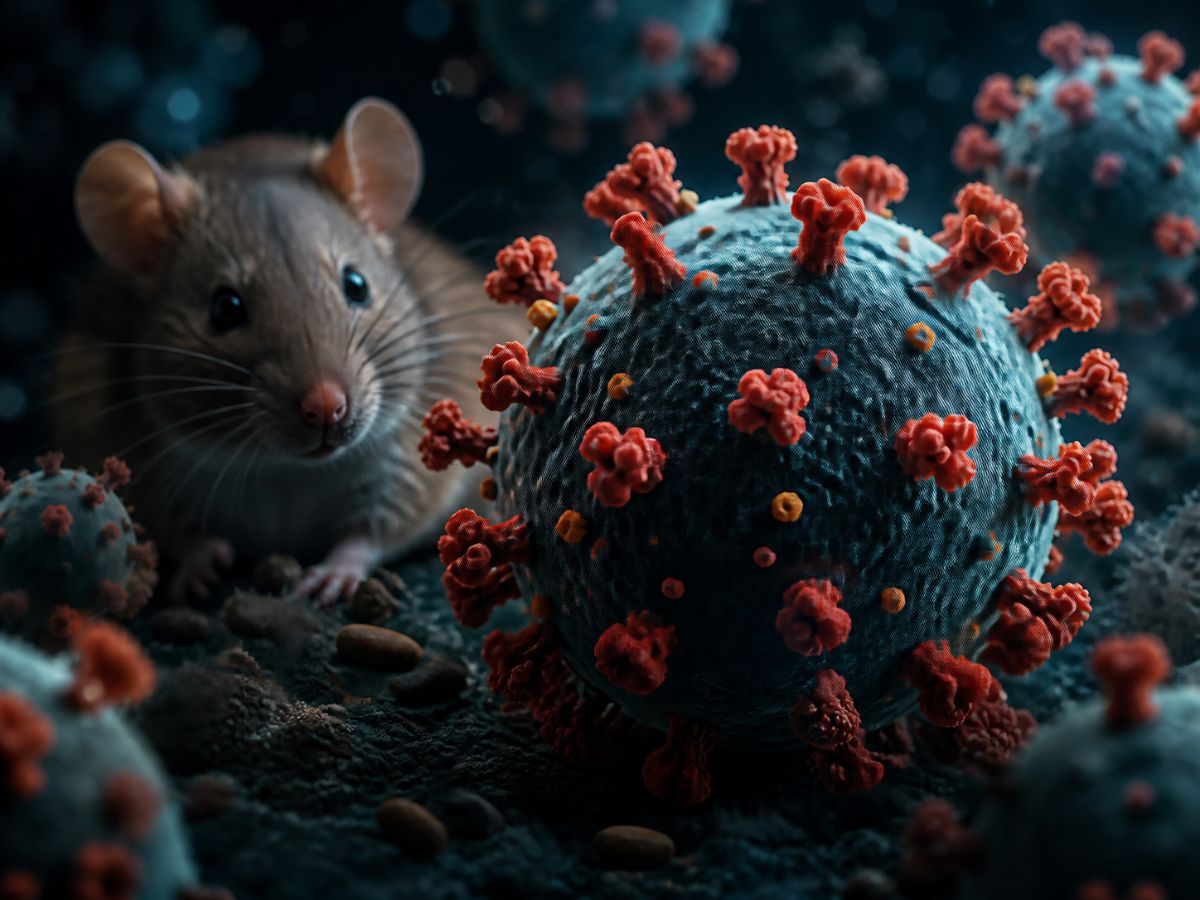
Hantaviruses are a family of viruses carried mainly by rodents, including rats and mice. In humans, they can lead to two main types of illness, one affecting the lungs and another affecting the kidneys. While cases are uncommon globally, they are taken seriously due to how quickly the illness can develop.
Most infections occur after breathing in virus particles from rodent urine, droppings or saliva. Risk increases when contaminated dust is disturbed, particularly in enclosed or poorly ventilated spaces.
Early symptoms can feel familiar. Fatigue, fever, muscle aches, headaches and nausea are common, which can make early detection difficult. These symptoms may appear anywhere from one to eight weeks after exposure.
In some cases, the condition progresses. Patients may develop coughing and severe shortness of breath as fluid builds up in the lungs. According to global health data, severe forms of the disease can carry a high fatality rate, particularly once respiratory symptoms begin.
It is not a virus that spreads easily. It is one that becomes serious under specific conditions.
For most people, the overall risk remains low.
Hantavirus does not typically spread through everyday contact. Most strains do not pass from person to person, though limited transmission has been observed in specific variants under close and prolonged exposure.
In Southeast Asia, research has identified the presence of hantaviruses in rodent populations, including in urban environments. However, confirmed human cases in the region remain relatively rare, and local health authorities continue to monitor the situation.
Malaysia’s Health Ministry has stated that there are no confirmed cases linked to the recent cruise ship cluster and that ongoing surveillance has not detected the virus locally.

Prevention, in most cases, is practical. Limiting exposure to rodents and their waste, ventilating closed spaces before cleaning, and avoiding activities that stir up contaminated dust can significantly reduce risk.
Understanding the context matters. While the virus can be severe, exposure is typically linked to specific environments rather than everyday settings.